
Exclusive for zoos.media – February 19, 2026. Author: Philipp J. Kroiss
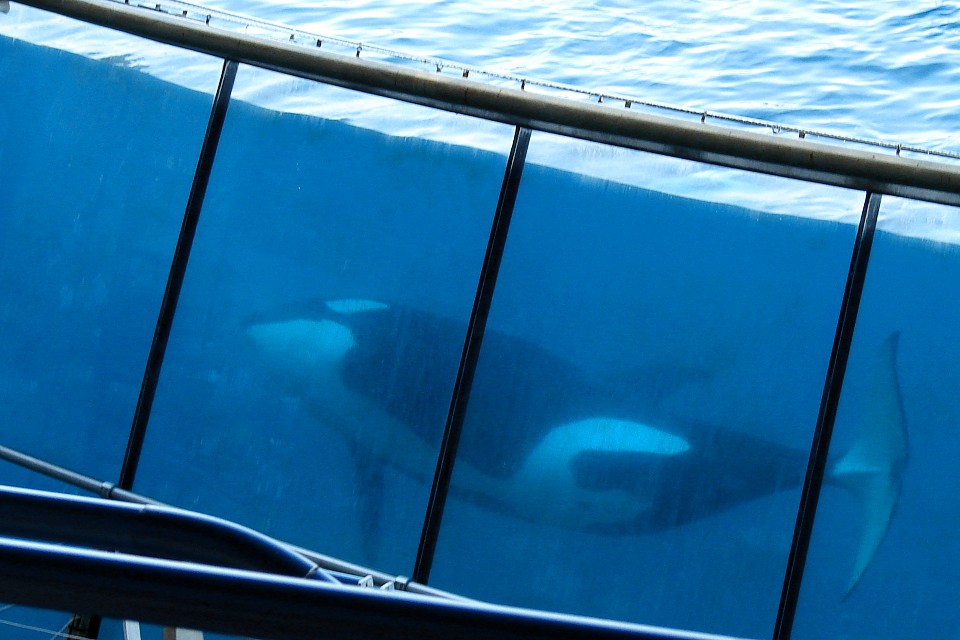
Wildlife veterinarian and animal welfare advocate Dr. K. Alexandra Doernath has explicitly called for the swiftest possible transport of the two orcas, Wikie & Keijo, from the closed Marineland Antibes to Loro Parque.
France: Veterinarian Recommends Immediate Transport of Orcas
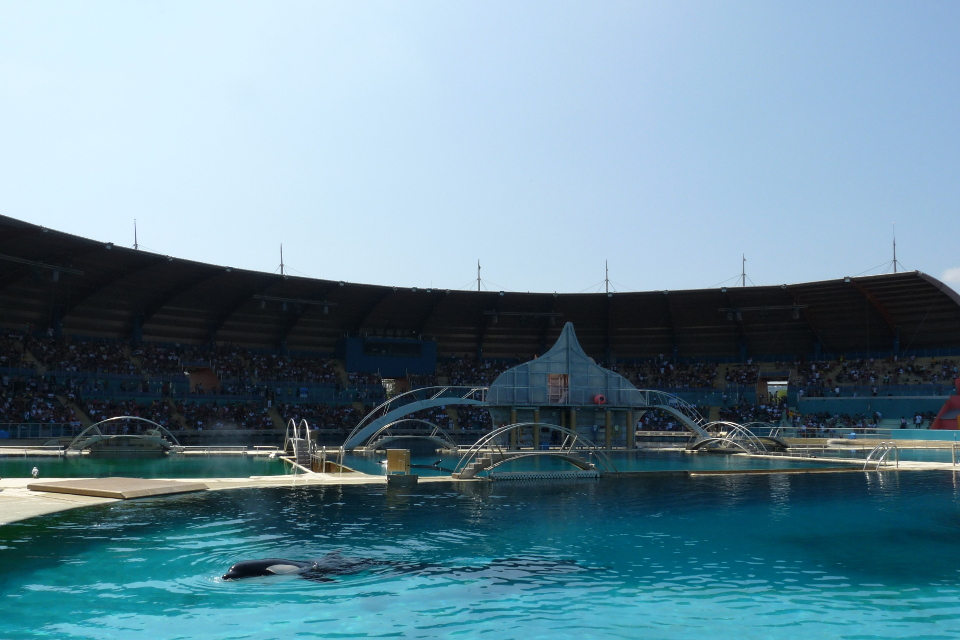
On the 16th of February in 2026, the French government presented Loro Parque as the solution in case of an emergency. But isn’t it an emergency already? The prestigious wildlife veterinarian and animal welfare expert Dr. Kerstin Alexandra Doernath, who also serves on the advisory council of zoos.media, has notified the authorities by formal letter that she urgently recommends the immediate transfer of Wikie & Keijo to the reputable Canarian zoo. In any case, a decision must be made promptly before the installation collapses.
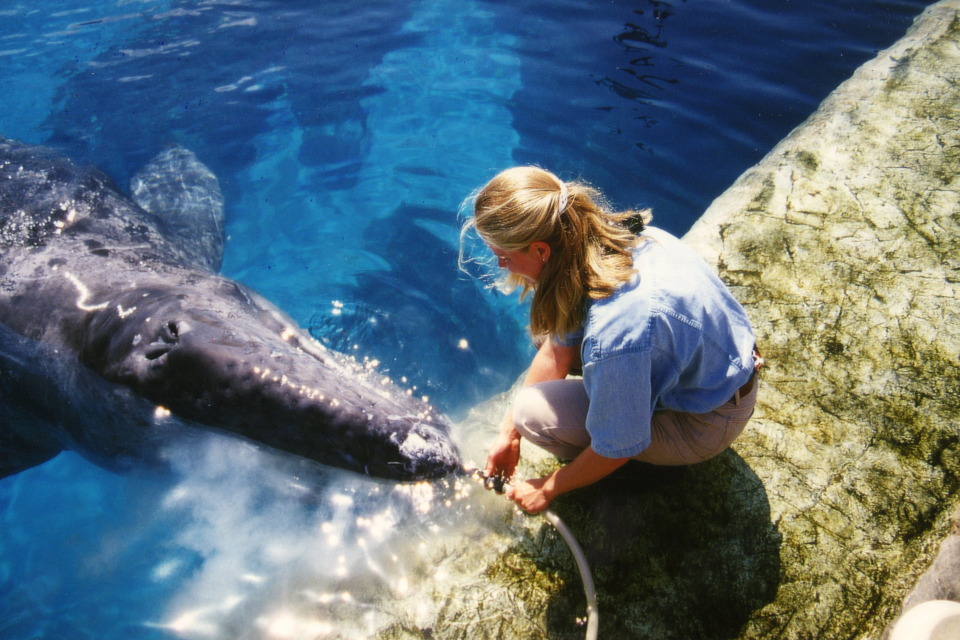
In an era of rapid-fire opinions, Dr. Kerstin Alexandra Doernath is a personality “of the old school” (“von altem Schrot und Korn”): Since 1998, she has stood for medical truth with her unwavering expertise as a wildlife veterinarian — even when that truth is inconvenient. As early as 1993, she gained her first field experience with marine mammals in the Galápagos, for which she received the Windsor Safari Park Student Award from the European Association for Aquatic Mammals (EAAM) over three decades ago. “The time for debate is over; now the facts must speak,” says Doernath, who was previously involved in the nutritional care of J.J., the rescued and later released gray whale.
Sanctuaries Are Not an Option
When it comes to the welfare of orcas, ideological daydreams do not count for Dr. Doernath. While animal rights organizations bank on unfinished “sanctuary” projects overseas, the experienced wildlife veterinarian Dr. Kerstin Alexandra Doernath brings veterinary prudence into play. In a targeted intervention, she addressed French President Emmanuel Macron as well as the minister in charge and the competent prefect directly.
As a result, her professional recommendation regarding the future of the orcas Wikie and Keijo at Marineland Antibes reached the highest political levels. As an expert who does not romanticize nature as a paradise but knows the harsh dangers of hunger, parasites, and environmental toxins from her global fieldwork, she provides a sober analysis.
Where others see romance, the veterinarian — who holds a Master’s degree in Wild Animal Health from the Royal Veterinary College and the Zoological Society of London (the global gold standard for specialized wild and zoo animal medicine) — sees clinical risks and the necessity of professional management.
An Immunological Death Sentence
In her professional assessment, Doernath dispels the fairy tales of the animal rights industry. She warns urgently against placing orcas that have lived in human care for so long (and were born there) into sea pens. “Attempting to keep these individuals in a sea pen is medically comparable to abandoning a domestic dog in the forest,” Doernath emphasizes. She continues: “From a veterinary perspective, it is irresponsible.”
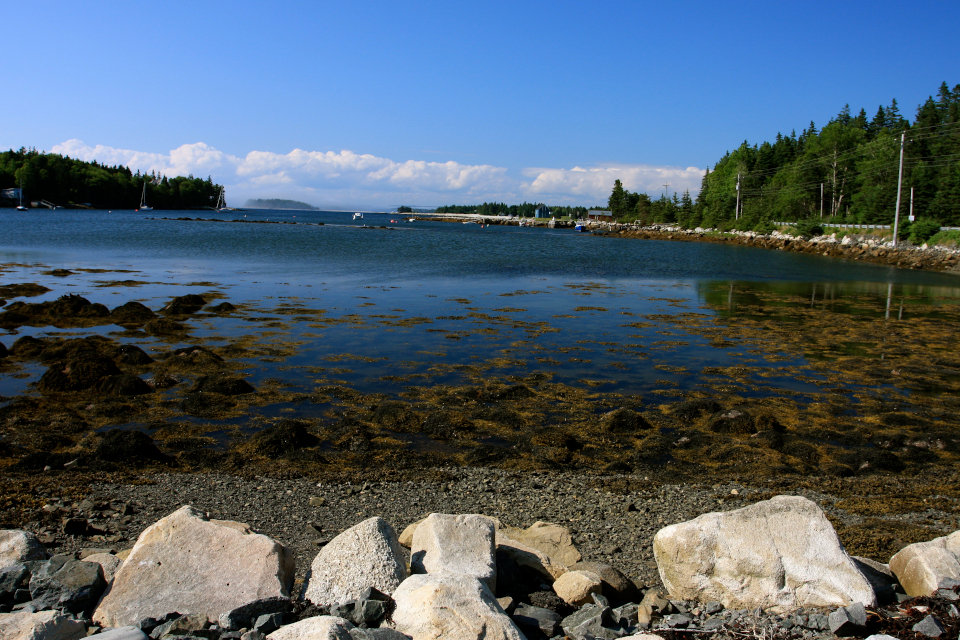
To place animals from controlled environments into open waters with uncontrollable pathogens, algal blooms, and heavy metal contamination — as is the case in Nova Scotia — is, for the expert, bordering on professional failure, or rather, animal cruelty with a political blessing. “Orcas from controlled environments are immunologically not adapted to life in a natural habitat—it would be their death sentence,” Dr. Doernath summarizes.
The animal welfare advocate does not act in a vacuum. As the head of the “Exoten-Kompetenz-Centrum” (Exotic Species Compentence Center), she relies on a high-caliber network. She also takes a clear stand on the threat of euthanasia due to French legislative changes starting in 2027: “Killing healthy animals for logistical reasons is absolutely unacceptable — morally, legally, and from a veterinary standpoint.”
Loro Parque is the Solution
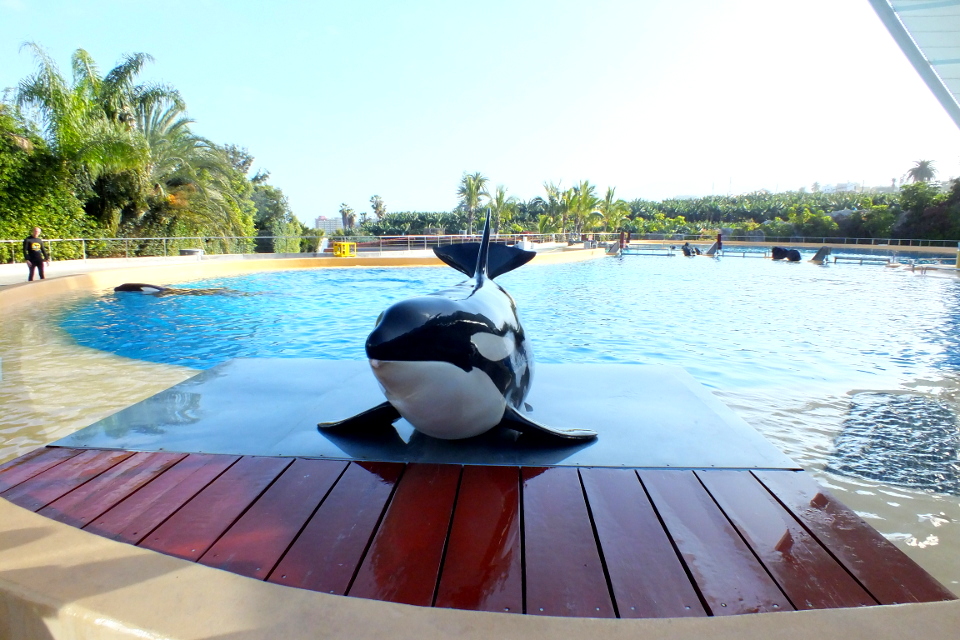
In contrast to risky long-distance transports to Asia or North America, which can trigger massive transport stress and associated pathologies, Dr. Doernath recommends an immediate transfer to Loro Parque in Tenerife. There, they are perfectly prepared.
She cites three central reasons: An intra-European transfer minimizes transport risk. Therefore, the relatively short route to Loro Parque is the best possible option. At the Canarian zoo, conditions for the animals are ideal. Furthermore, she emphasizes: Loro Parque offers specialized infrastructure and a level of medical care that does not exist in any of the proposed “sanctuary” projects. Additionally, it is animal welfare certified.
It remains to be seen how the Élysée Palace will react to this well-founded expertise. Receipt of the letter has already been confirmed via registered mail. With Dr. Doernath, scientific reason has gained a courageous voice that does not back down. Her stance leaves no doubt about her independence: “Expertise creates freedom, backbone creates respect.”
