
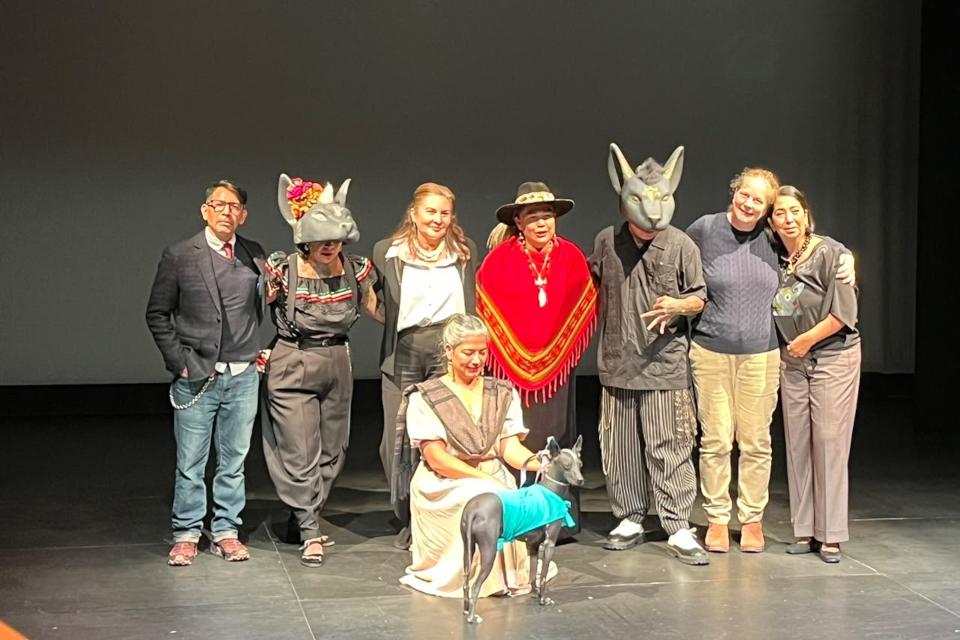
Exclusive for zoos.media – September 17, 2026. By: Dr. med. vet. Kerstin Alexandra Dörnath
In her column WildLifeGaze, veterinarian Dr. Kerstin Alexandra Dörnath writes about her trip to Mexico, where she traveled following an invitation to help protect a unique breed of dog.
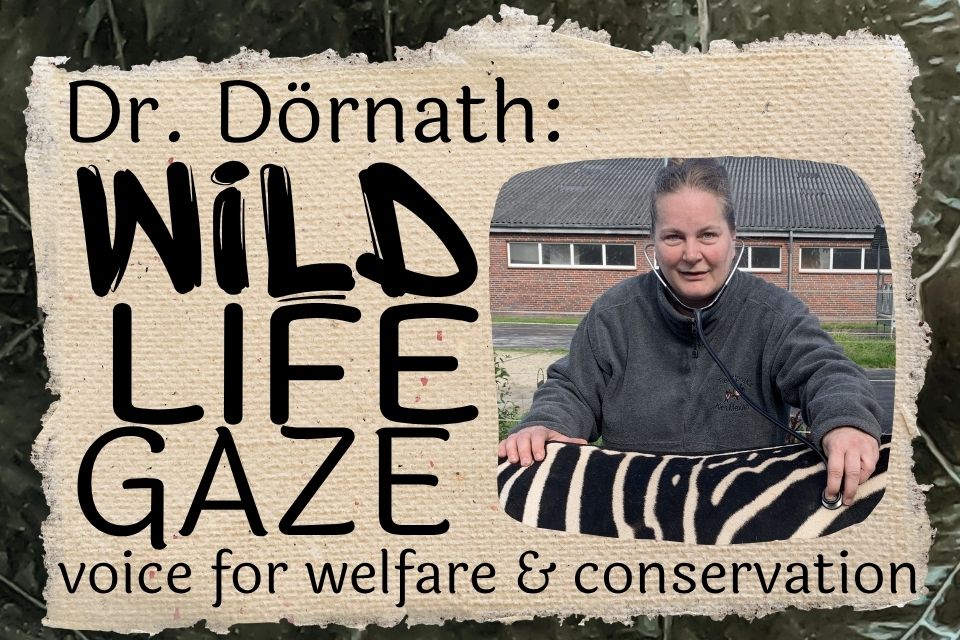
Who is Waiting for You? What Politics Can Learn from the Soul Dogs of Mesoamerica
Straight to the Heart
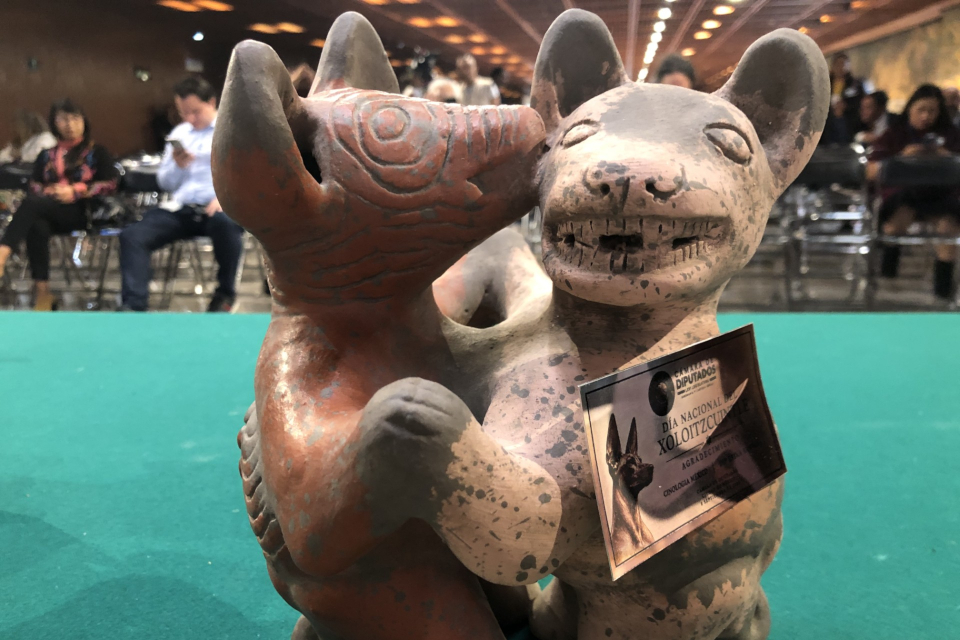
I am sitting here, heavy with jetlag, my feet back on German soil, but my head and my heart are still somewhere in Mexico – between the colourful streets of Mexico City, the canals of Xochimilco and the historic mists of Mesoamerica. Really, I ought to be asleep long ago or working through my paperwork. Instead, I am stuck in my thoughts and amidst the tears that kept coming to me all through the past week; they came from being deeply moved by the ceremonies and out of shame when asking for forgiveness for what is currently happening to the Xoloitzcuintle on the other side of the Atlantic.
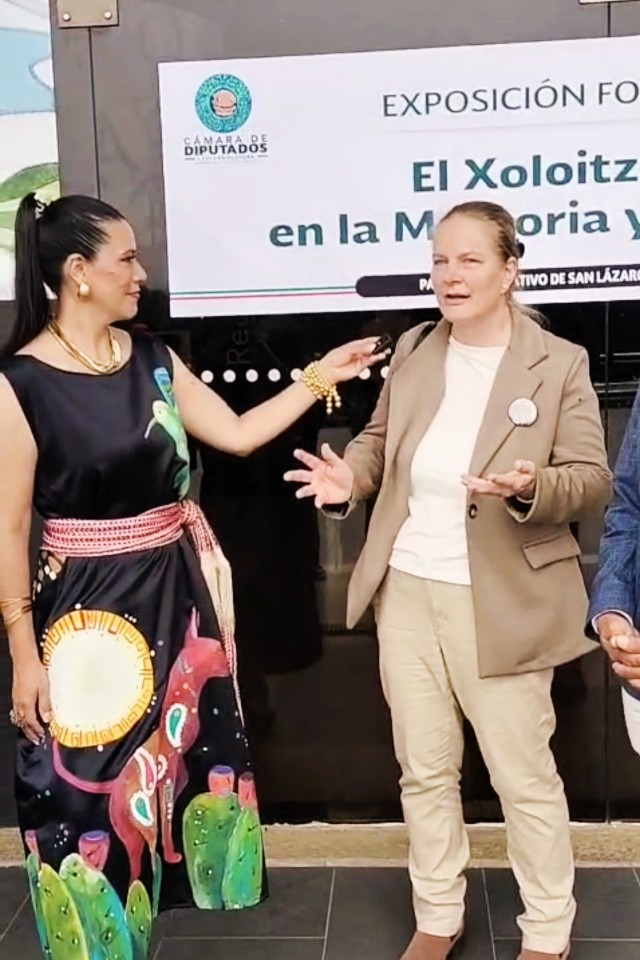
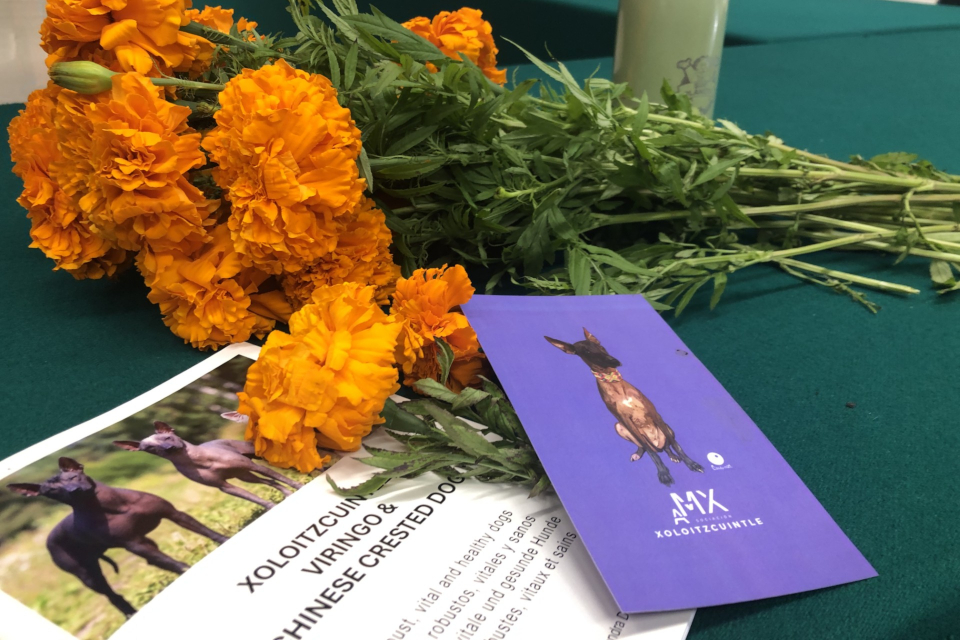
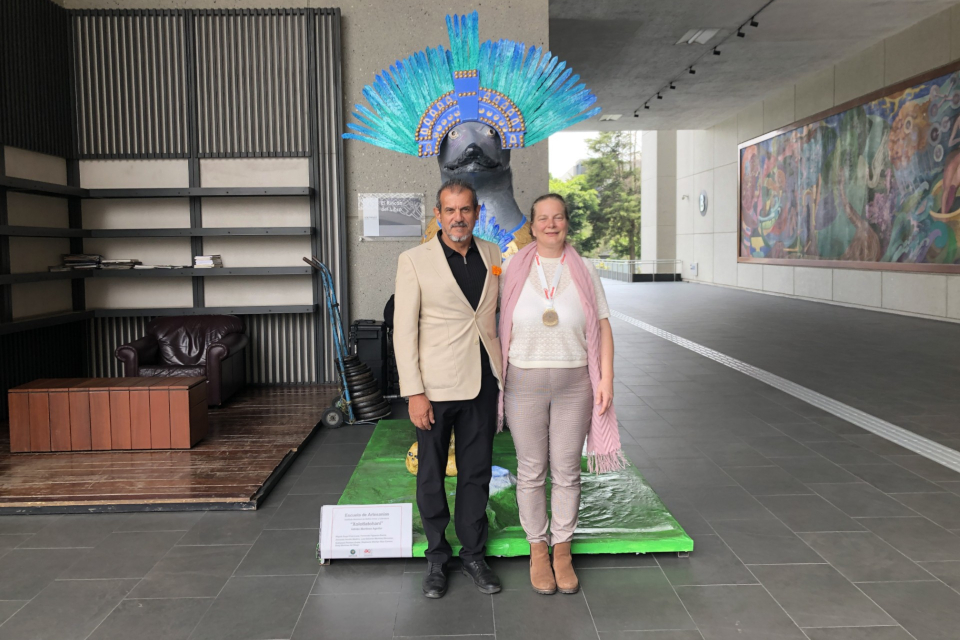
As a keynote speaker, panellist and guest of honour, I had the privilege of speaking in the venerable halls of the Palacio Legislativo de San Lázaro and in the Mexican National Library. I was in intense dialogue with scientists, cultural bearers and representatives of indigenous peoples. There was even a dedicated book seminar centring on my current work about the Xoloitzcuintle, the Viringo and the Chinese Crested Dog as robust, vital and healthy beings.
Amidst all these scientific and cultural encounters, I was overcome time and again by a deep emotion regarding the history, the knowledge and the reverence for this country, for this region. From the bottom of my heart, I asked for forgiveness for what has historically been inflicted by European, by Western sides, and which to this day is often not understood.
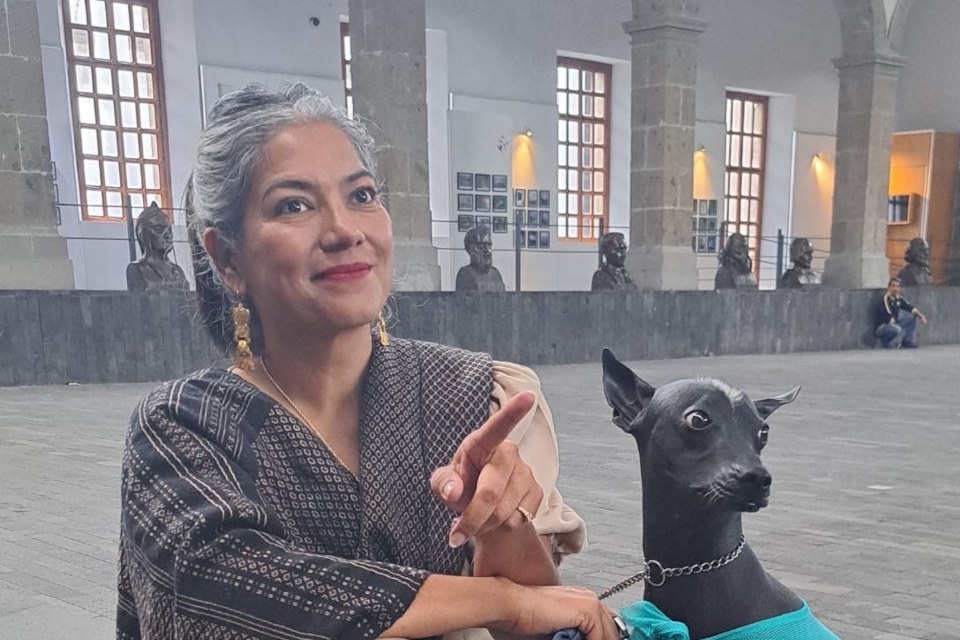
“Millennium Dog”
Throughout all these moments, a silent witness accompanied us: the Xoloitzcuintle. And a video (see below) touched me deeply in my core precisely because of this.
The Xoloitzcuintle is a dog that has roamed this earth for more than 3,000 years – a genuine “Perro Milenario”, a “Millennium Dog”, who has been a companion to humanity.
Anyone who experiences Mesoamerica quickly understands: this dog has never merely been a domestic pet, a breed, a biological being or a phenomenon here. It is something infinitely more complex: it is a myth, a living cultural asset, a family member and a guide for the soul, all in one.
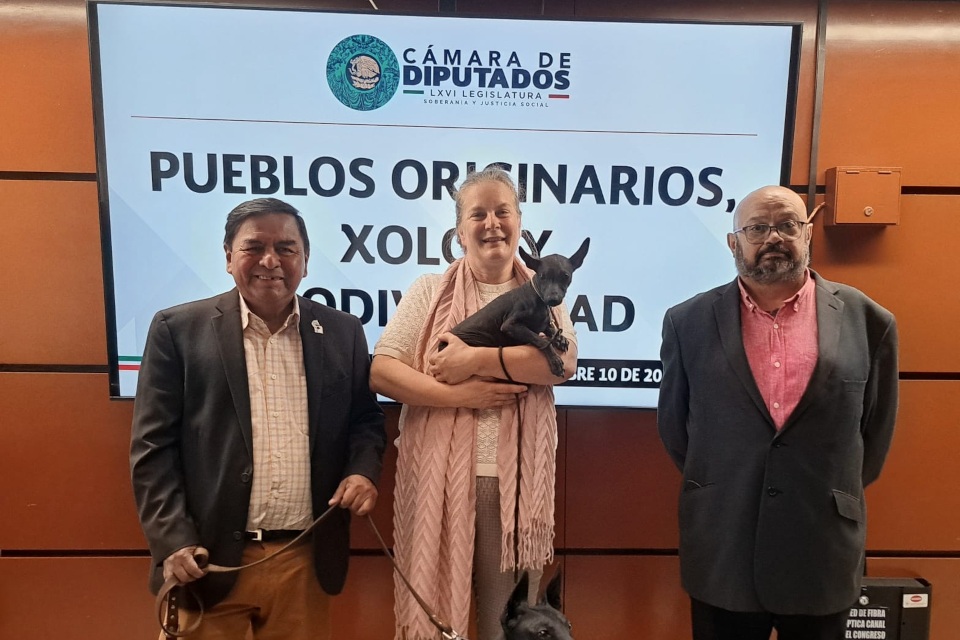
Why the Xoloitzcuintle is More Than a Dog
According to the beliefs of the ancient Mexicans, between this earthly life and the actual Mictlán – the underworld, the place of eternal rest – lies a long, hazardous and arduous path. Souls must traverse nine levels full of trials. And precisely here, on the banks of the rushing Apanohuacalhuia river, he waits: the Xoloitzcuintle. If a person was good and kind-hearted towards animals during their lifetime, the dog recognises the soul of its human, gently takes them upon its back and carries them safely through the current across into the light.
“And who is waiting for you?” (“A ti, ¿quién te espera?”)
My thoughts are currently also with that short film that strikes straight to the heart and so aptly describes the Xoloitzcuintle and its human entirely without words. The short film by Cerveza Victoria captures precisely that unbreakable bond which often gets lost in our Western perspective: the Xoloitzcuintle is not a purely anatomical or cynological phenomenon. It is a living cultural heritage, a soul companion through Mictlán and a symbol of a loyalty that transcends death. This short film poses a question that reaches far beyond any political or scientific debate: “A ti, ¿quién te espera?” – “And who is waiting for you?”
Here is the link to the video:
The Quiet Question About the Afterwards
I often ask myself this when I read the sober, bureaucratic paragraphs concerning animal welfare and also nature conservation: What comes afterwards? Politicians, authority representatives and decision-makers in Germany and across the entire Western world are, at the end of the day, only human. And when the door clicks shut in the evening, the noise of the day fades away and the room grows dark, each of us probably asks ourselves this quiet question about the afterwards at some point.
The Nine Levels of Mictlán: “Nueve Niveles del Mictlán”
In Mexican, resp. Aztec mythology, “Mictlán” consists of exactly nine levels (the “Nueve Niveles del Mictlán”) that the souls of the departed must traverse.
Here is the traditional path briefly summarised:
- Level (Apanohuacalhuia): The rushing river. Precisely here the Xoloitzcuintle waits to carry the worthy souls across the water on his back.
- Level (Tepeme Monamictia): The place where the mountains collide with one another.
- Level (Itztepetl): The mountain made of sharp obsidian blades.
- Level (Cehueloyan): The place where the freezing wind snows.
- Level (Pancuecuetlacayan): The place where one drifts like a flag in the wind.
- Level (Temiminaloyan): The place where arrows are shot at the souls.
- Level (Teyollocualoyan): The place where the heart of the soul is devoured by predators.
- Level (Apochcalocan): The place with dense, dark smoke.
- Level (Mictlán): The actual place of eternal rest, ruled by “Mictlantecuhtli” and “Mictecacihuatl”.
In mythology, it often took four years for a soul to have passed all nine trials. The number 9 is, incidentally, deeply anchored in this Mesoamerican worldview.
The Xoloitzcuintle Needs Our Protection
All the more urgent is the mandate we have today. These dogs are healthy, they are strong, they are vital and they are living history. But they do not cherish and preserve themselves. Today they are so rare that their survival is in danger.
The Xoloitzcuintle deserves and needs our protection – on all levels:
- From science, which must finally acknowledge his unique genetics and health without Western bias, blindness and blanket judgements.
- From culture, which preserves this living cultural heritage of humanity and this millennia-old cultural tradition from falling into oblivion.
- From the heart and from the soul, because we can learn from these creatures and indigenous traditions what faithful responsibility and genuine reverence for life mean.
Who Will Welcome Us at the End of the Road?
Perhaps it does us all a great deal of good – whether in practice, in politics or in office – to close our eyes from time to time and ask ourselves who will welcome us at the end of the road. The Xoloitzcuintle reminds us that we must first earn this love in this earthly life.
